Word searches in early education: building vocabulary and focus
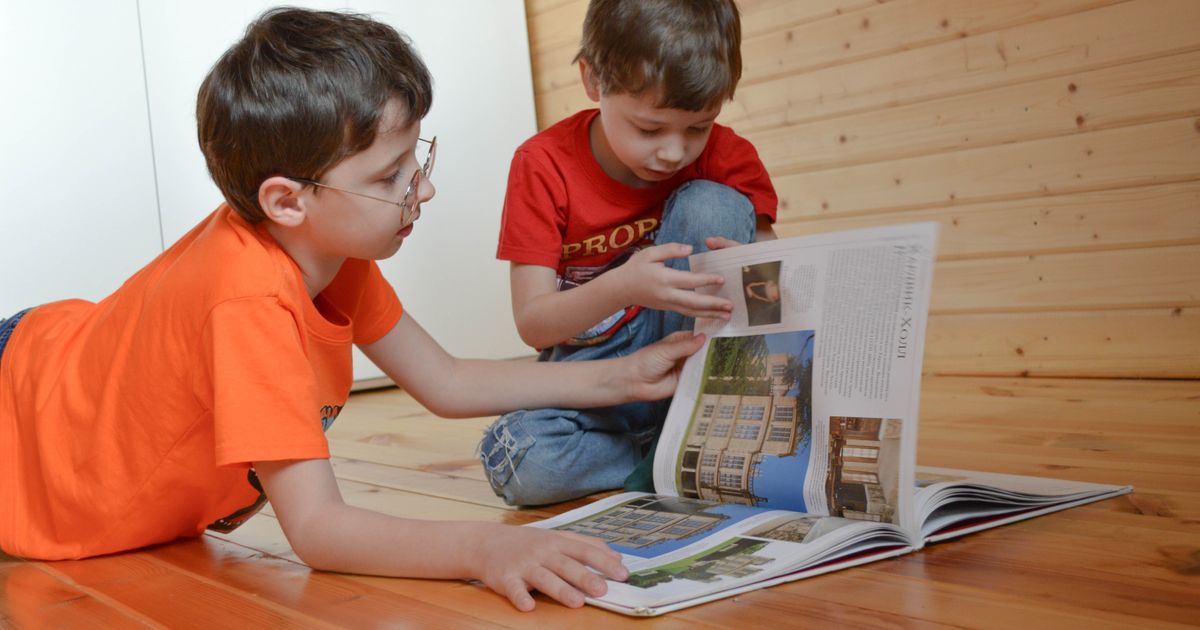
A word search looks like a simple pastime, but in the classroom and at home it's one of the most complete tools for early learning: it trains reading, spelling, vocabulary and concentration, all while the child thinks they're only playing. This guide explains why it works so well in early education and how to get the most out of it by age. You can start with our free online word search.
Learning through play: why it fits childhood so well
In the early school years, play isn't a distraction from learning — it's the natural way to learn. Bodies such as the Organization of Ibero-American States (OEI) highlight the role of play and early reading in language development. The word search taps into exactly that: it turns a task that could be repetitive — recognising and reading words — into a fun challenge with an instant reward every time a word is found.
That little "found it!" fires up motivation, and a motivated child repeats the activity again and again, which is precisely what cements learning.
Visual pattern recognition and fast reading
To find a hidden word, the child doesn't read letter by letter: they learn to recognise the overall shape of the word within the grid. That visual pattern recognition is the same skill that, with practice, allows reading at a glance without spelling out.
Searching horizontally, vertically and diagonally also trains reading directionality and eye-mind coordination, two foundations of the reading process that are often hard to exercise in an entertaining way.
Spelling and vocabulary
Every word in a word search is a correctly spelled word that the child sees, hunts for and confirms letter by letter when they find it. That repeated exposure to the correct spelling reinforces spelling naturally, without the pressure of a dictation.
And if you choose themed puzzles (animals, nature, favourite characters), each game becomes a small vocabulary lesson: the child links the written word to a topic they already know, which fixes the term better. Our themed word searches are ideal for this.
Sustained attention and concentration
Finding every word requires holding focus for several minutes, ignoring the "distracting" letters. It's a gentle but real exercise in sustained attention, an ability that is still developing in children and that benefits every other subject.
Because it's a bounded challenge with a clear end ("3 words left"), it also helps build persistence: the satisfaction of completing it teaches that sustained effort pays off.
How to use it by age
- Pre-readers and early readers (4-6): small grids, few short words in a single direction (horizontal). The goal is recognising familiar letters and words, not speed.
- Primary (7-9): medium grids, words horizontal and vertical, and themes tied to what they study (animals, the body, jobs).
- Age 10 and up: larger grids, diagonals and even reversed words, and introduce the timer to add the speed element.
Matching the difficulty to the child's real level is key: too easy bores, too hard frustrates. That's why our word search offers several levels, from easy to hard.
Ideas for parents and teachers
- Link it to the syllabus: a puzzle with the unit's vocabulary reinforces what was covered in class.
- Make it collaborative: two children searching together encourage oral language and cooperation.
- Combine it with the crossword: the crossword adds a definition for each word, a step further towards comprehension.
- Print them: in our themed section each word search can be downloaded as a PDF to work away from screens.
Start today
The word search is one of those rare resources that children enjoy and adults trust: it entertains and educates at once. Pick a topic they like and a difficulty that fits them, and let them learn by playing. You can start with the word search for kids or explore the themed word searches to combine fun and vocabulary.